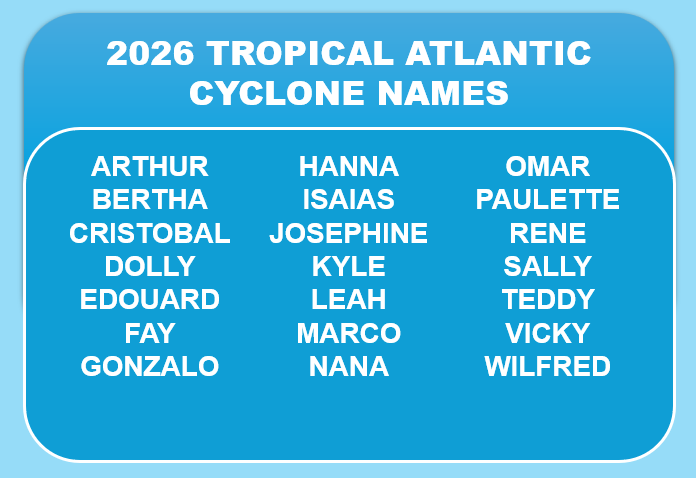
2026 Atlantic Hurricane Season
The 2026 Atlantic Hurricane Season officially began on June 1 and continues through November 30. Residents, businesses, and visitors are urged to begin preparations early and remain informed throughout the season.
2026 Atlantic Hurricane Season Forecast
Over the past weeks leading meteorological institutions, including Colorado State University (CSU) and National Oceanic and Atmospheric Administration (NOAA), have released their latest seasonal forecasts indicating that the 2026 Atlantic Hurricane Season is expected to be somewhat below average compared to long-term climatological averages. Forecasts from NOAA predicts:
Named storms: 8 – 14
Hurricanes: 3 – 6
Major hurricanes (Category 3 or higher): 1 – 3
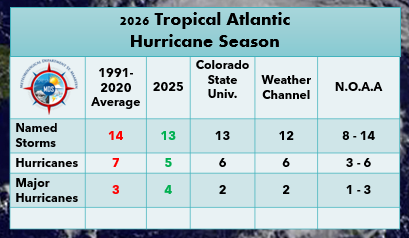
In any season there are on average 14 named storms, 7 hurricanes and 3 major hurricanes. While these numbers are slightly below the seasonal average, the Meteorological Department stresses that it only takes one hurricane affecting St. Maarten or the northeastern Caribbean to create significant impacts.
Several climate and oceanic factors are contributing to the current seasonal outlook:
1. Expected Development of El Niño Conditions
Forecasters anticipate the development of moderate to strong El Niño during the peak months of the hurricane season. El Niño typically increases upper-level winds, also known as vertical wind shear, across the tropical Atlantic and Caribbean Sea. Strong wind shear can disrupt the organization and strengthening of tropical systems, generally resulting in reduced hurricane activity.
2. Sea Surface Temperatures
Sea surface temperatures across portions of the western Atlantic and Caribbean remain warmer than average. Warm ocean waters provide energy for tropical cyclone development and intensification. Although El Niño may suppress overall activity, warm ocean temperatures can still support the formation of dangerous storms.
Seasonal hurricane forecasts provide an outlook based on current atmospheric and oceanic conditions but are subject to change as the season progresses.. Conditions within the atmosphere and oceans can change significantly during the season, especially between August and October, which represents the climatological peak of hurricane activity.
Therefore preparedness remains essential, the Meteorological Department St. Maarten strongly encourages all residents and businesses to review their hurricane preparedness plans before the peak of the season. Preparedness actions may include:
– Reviewing family emergency and evacuation plans
– Securing homes and businesses
– Trimming trees and clearing drains and gutters
– Checking hurricane shutters and roofing
– Preparing emergency supply kits with food, water, medication, flashlights, batteries, and important documents
– Ensuring insurance and important records are up to date
– Staying informed through official weather updates and emergency management advisories
Residents are reminded that focus must not be solely on the number of storms predicted for the season. Even below-average seasons have produced major hurricanes with significant impacts. For example in:
2004: weak El Nino – Cat 5 Hurricane Ivan devastated Grenada and Jamaica.
2015: strong El Nino – Cat 4 Joaquin caused significant impact in the Bahamas
2023: strong El Nino – 20 named storms developed, 7 became hurricanes 3 of them were major hurricanes.
Heat Awareness During the Hurricane Season
The Department of Meteorology St. Maarten would also like to remind the public that the Caribbean Heat Season generally coincides with the Atlantic Hurricane Season, extending from June through October. During this period, episodes of hazardous heat, extreme heat, and heatwave conditions may become increasingly likely, particularly from July onward when periods of elevated humidity and Saharan dust intrusions occur. Residents should anticipate prolonged daytime heat and warmer-than-normal nighttime temperatures, with the most intense heat conditions often experienced during August and September.
Exposure to prolonged or extreme heat can increase the risk of heat-related illnesses such as heat exhaustion and heat stroke, especially among vulnerable groups including the elderly, young children, outdoor workers, and persons with underlying medical conditions. The public is encouraged to take heat precautions by:
– Drinking water regularly and remaining hydrated, even before feeling thirsty
– Limiting strenuous outdoor activities during the hottest periods of the day, generally between late morning and mid-afternoon
– Wearing lightweight, loose-fitting, and light-colored clothing
– Seeking shade or air-conditioned environments whenever possible
– Checking on elderly relatives, neighbors, and other vulnerable individuals
– Never leaving children, elderly persons, or pets unattended in parked vehicles
– Monitoring official forecasts and heat advisories issued by the Meteorological Department.
The Meteorological Department St. Maarten will continue to closely monitor all tropical waves, disturbances, depressions, storms, and hurricanes across the Atlantic basin and Caribbean Sea throughout the season. Official forecasts, watches, warnings, marine advisories, and weather updates will be disseminated through:
– The official MDS website
– Government information channels
– Social media platforms
– Local radio and television stations
The public is encouraged to rely only on official information sources and AVOID spreading unverified weather information or rumors.
The Meteorological Department St. Maarten remains committed to providing timely, accurate, and reliable weather information to safeguard lives and property during the 2026 Atlantic Hurricane Season. For additional updates and official weather information, please follow the Meteorological Department St. Maarten through its official communication platforms:
Website: www.meteosxm.com
Facebook: www.facebook.com/sxmweather
WhatsApp Channel: Meteorological Department St. Maarten
Email:forecastersxm@gmail.com
Phone: 1 721 545-4226